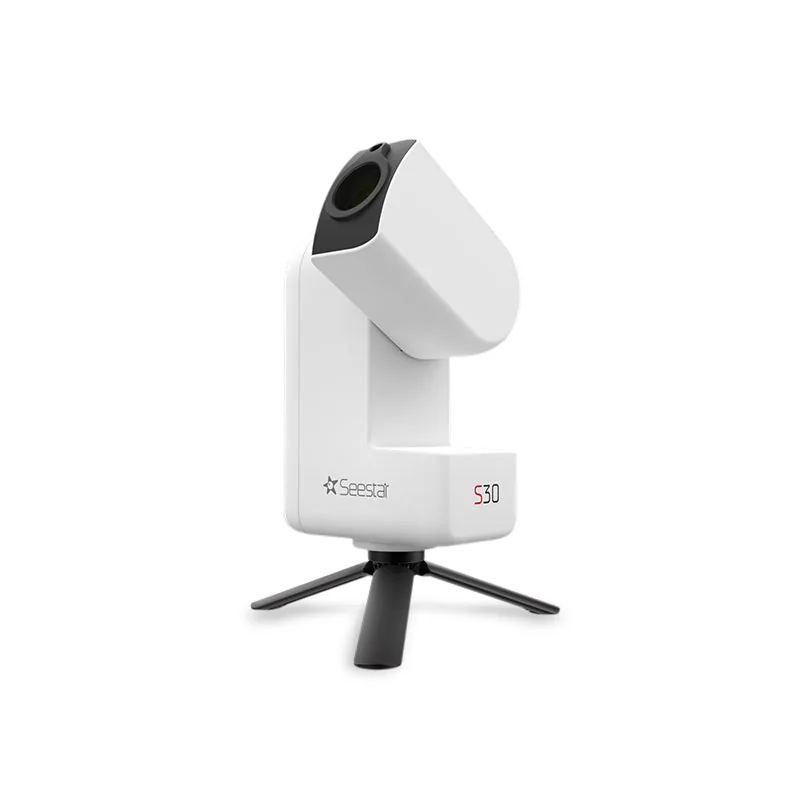
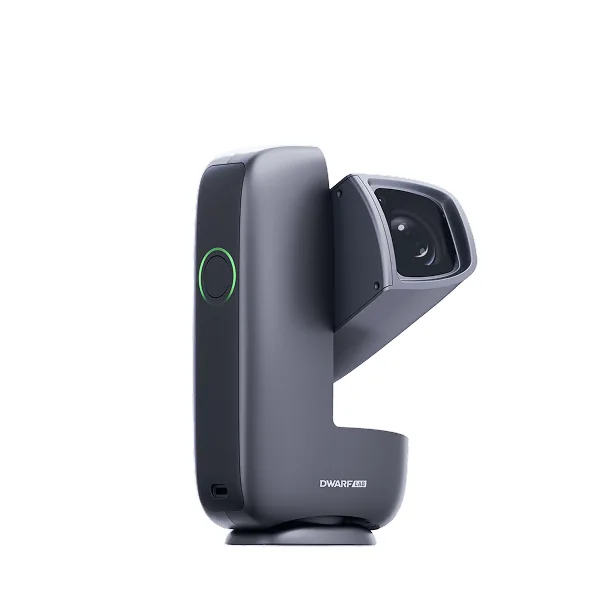
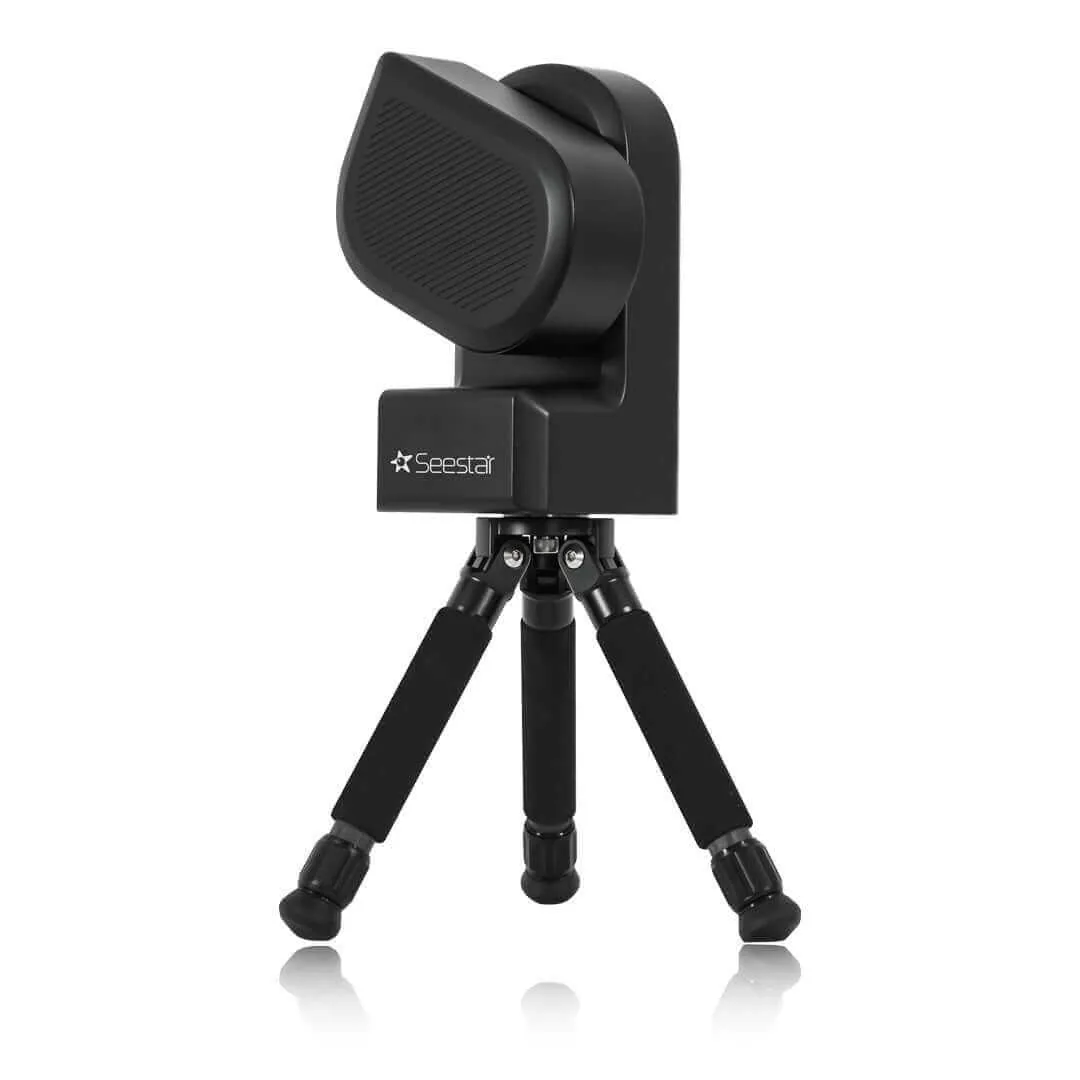
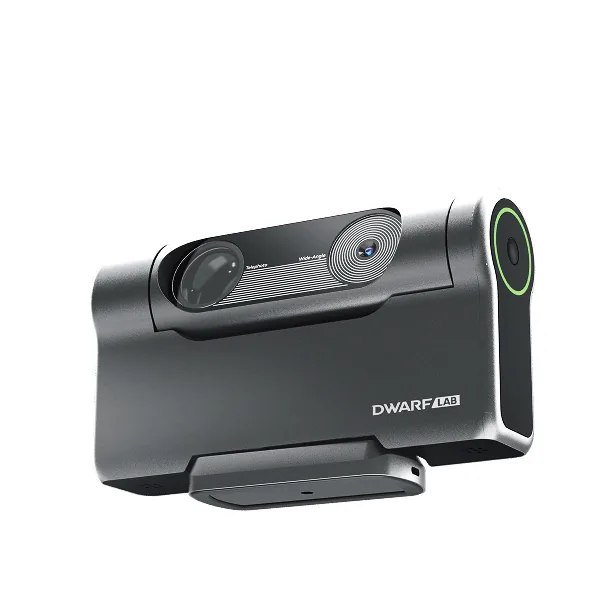
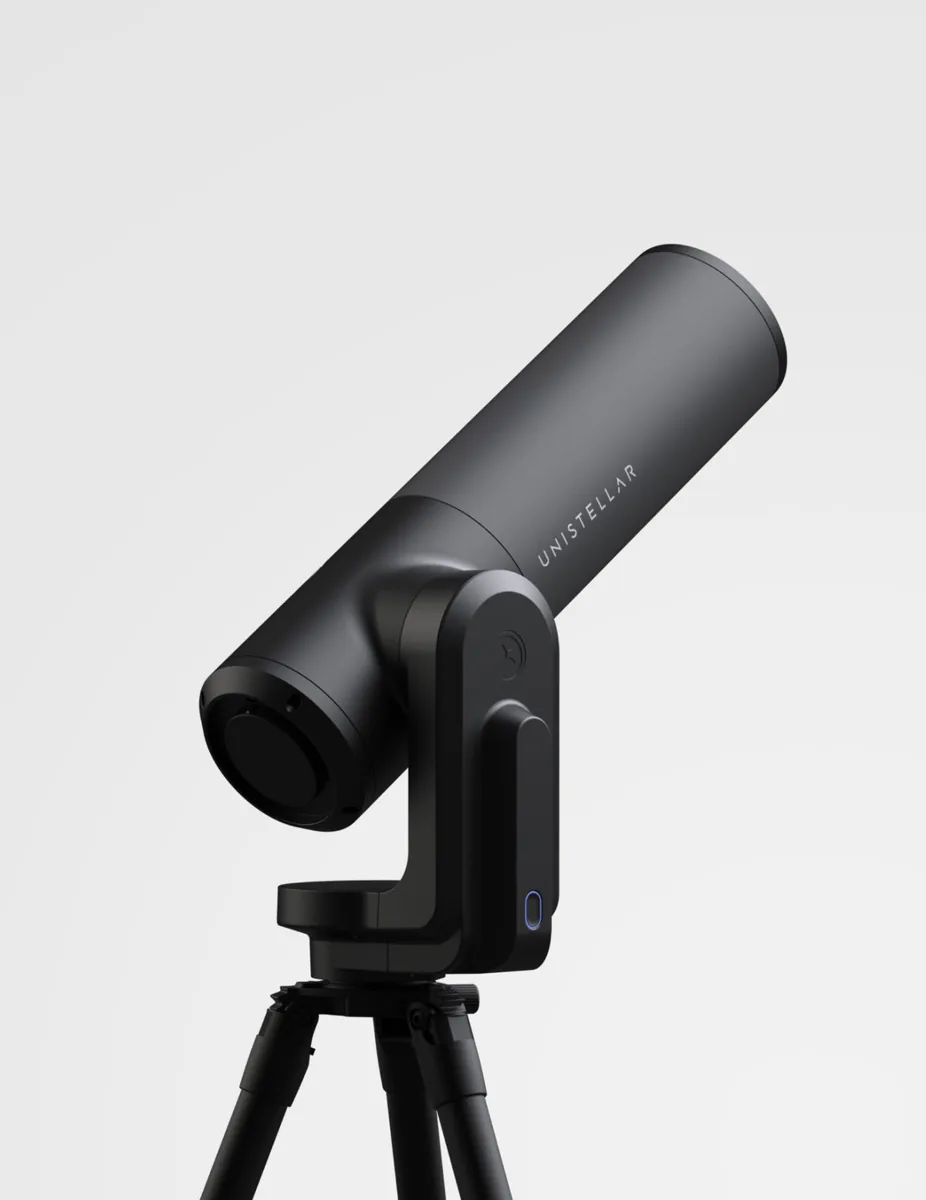
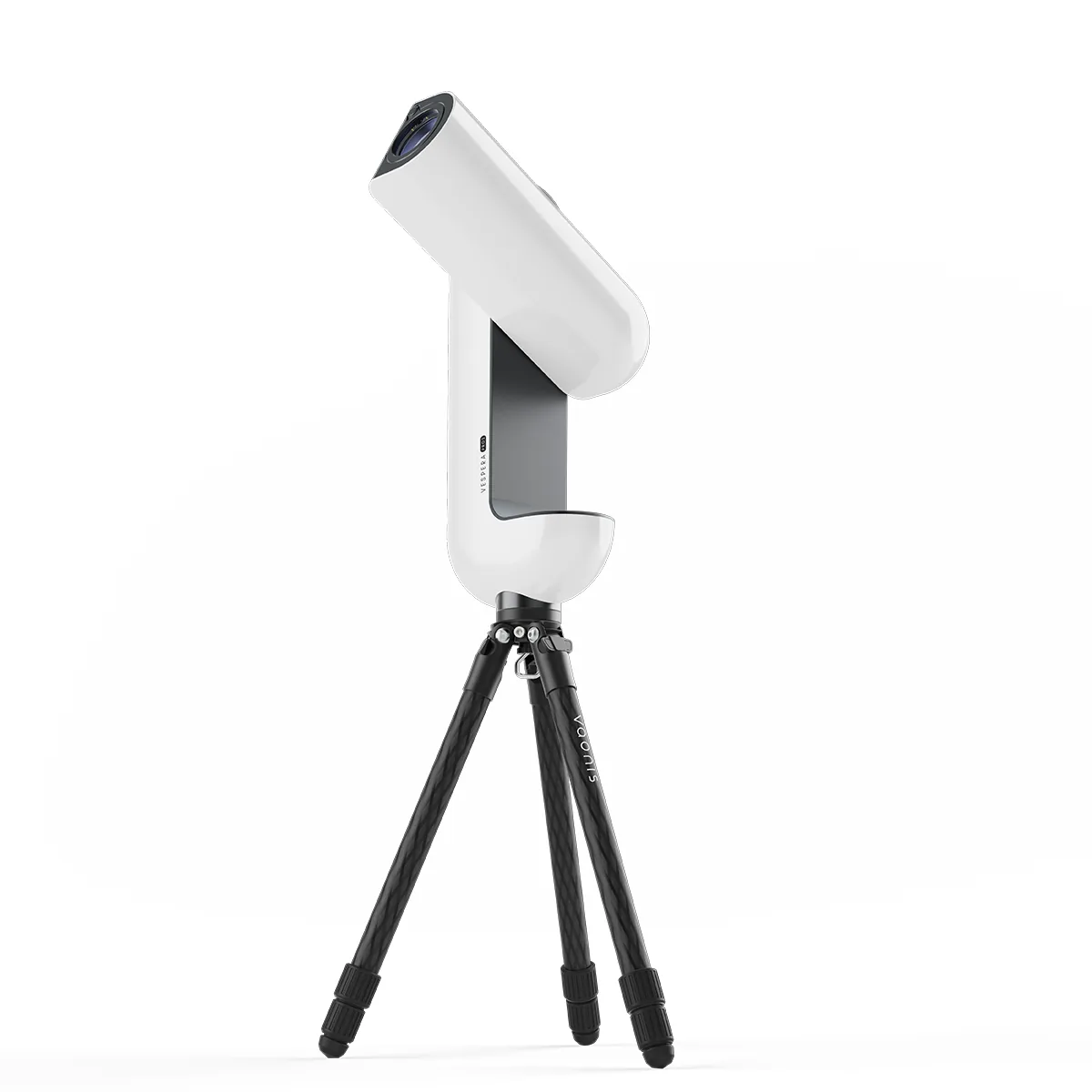
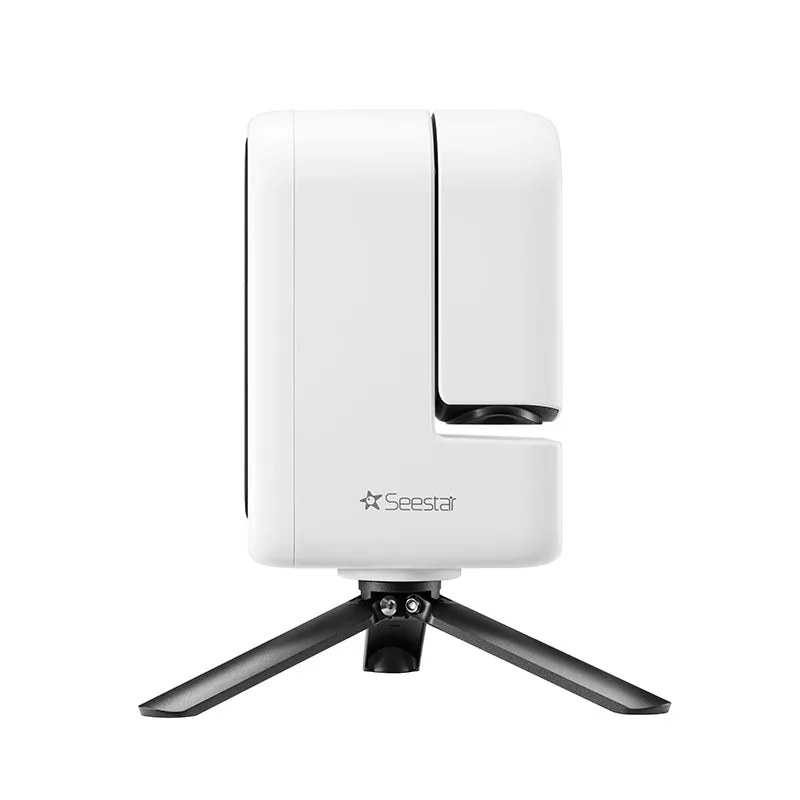
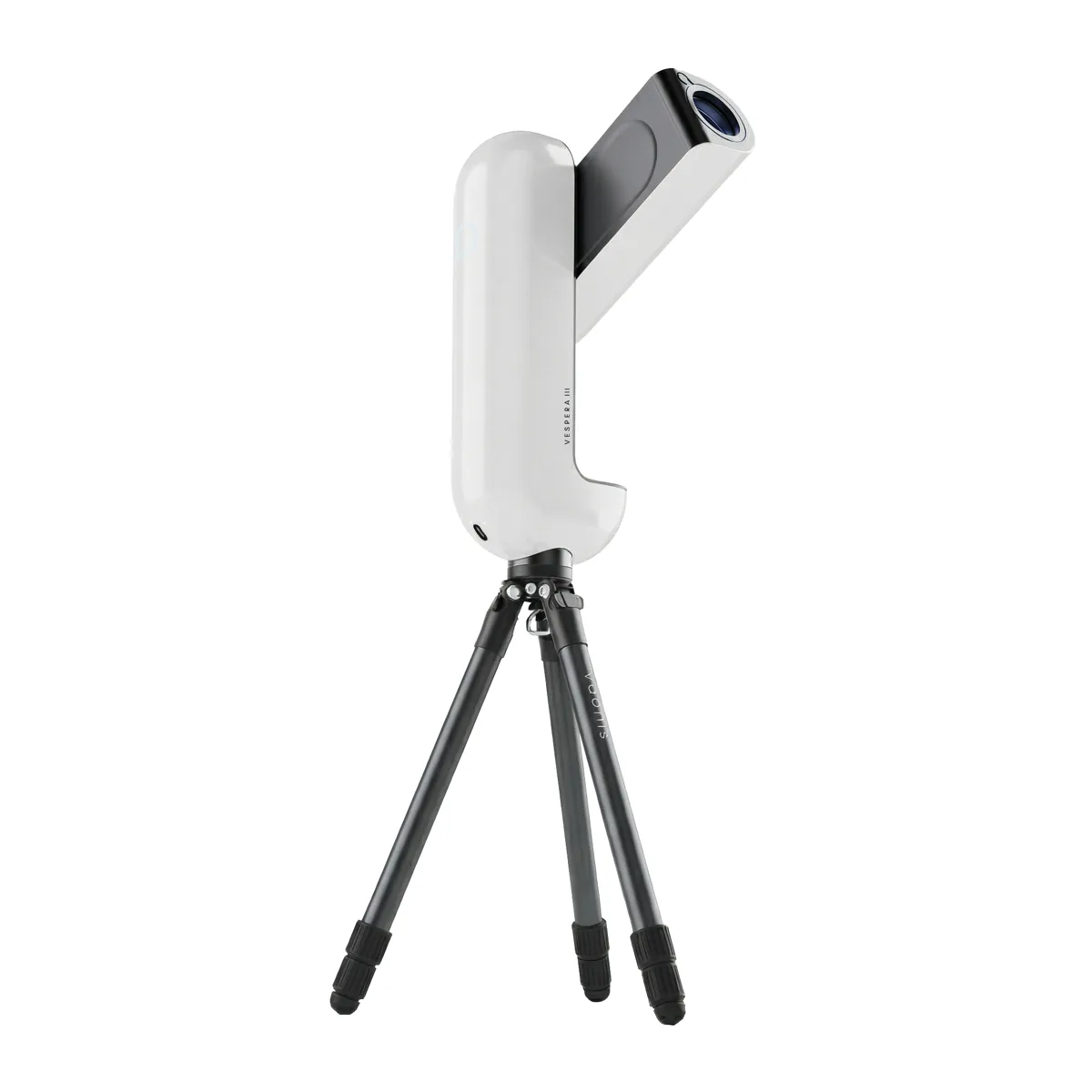
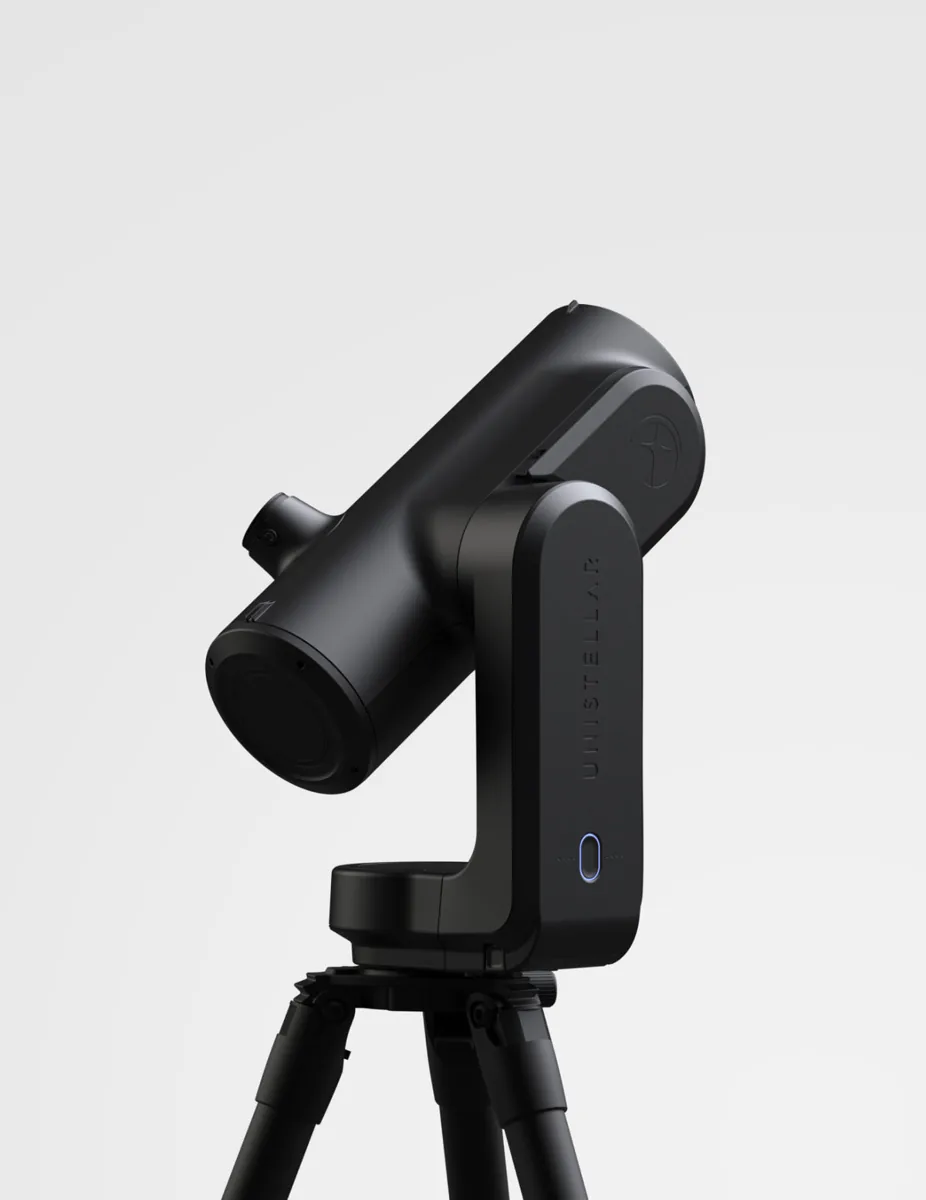
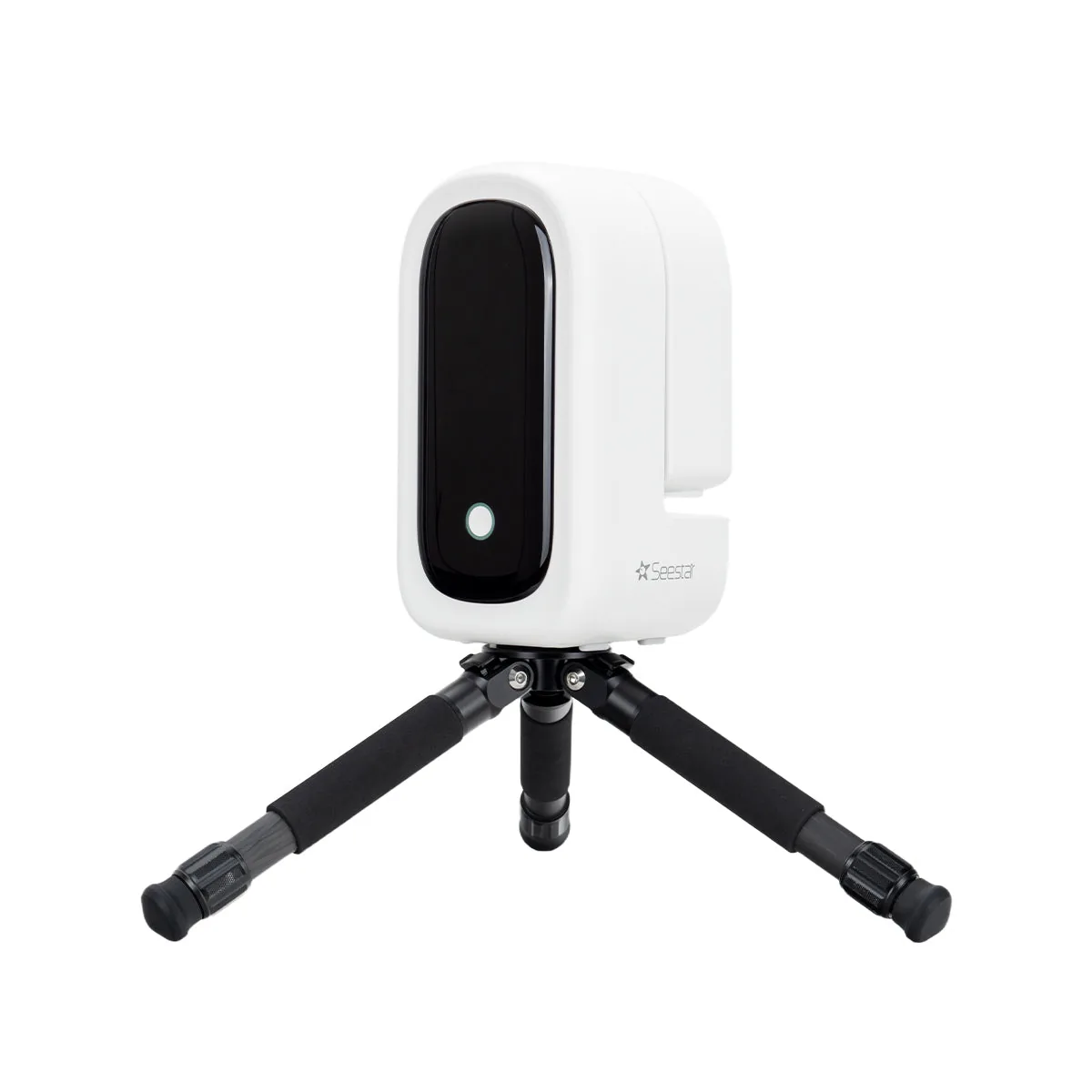
If this is your first smart telescope, plan on $549 to $999. That is where the Seestar S50 Pro, the Seestar S30 Pro and the DWARF 3 sit, and they do what most people actually want: find a nebula from a suburban yard, track it and build a color image on your phone while you hold a hot drink. Around $400, the DWARF mini is the cheap way to find out whether the hobby sticks.
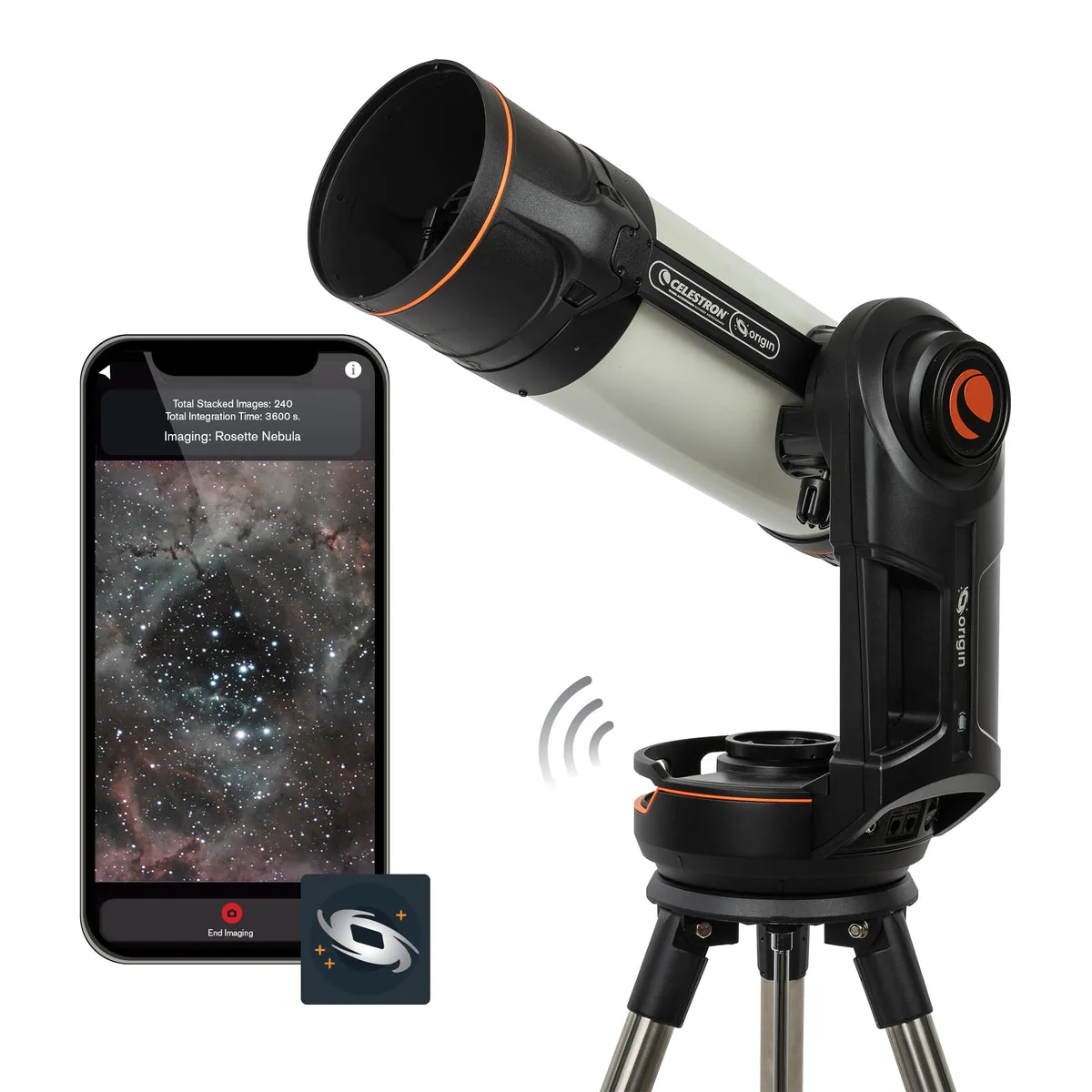
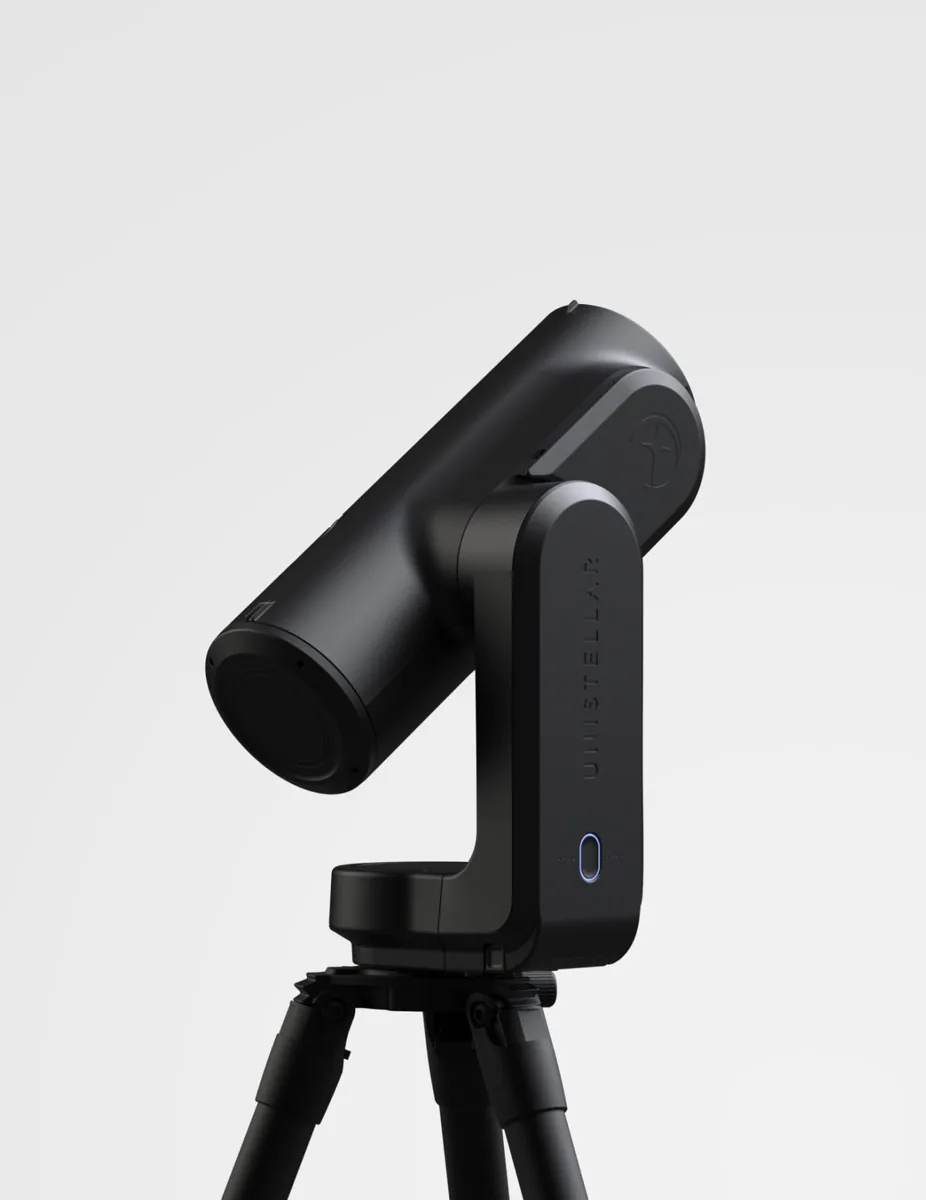
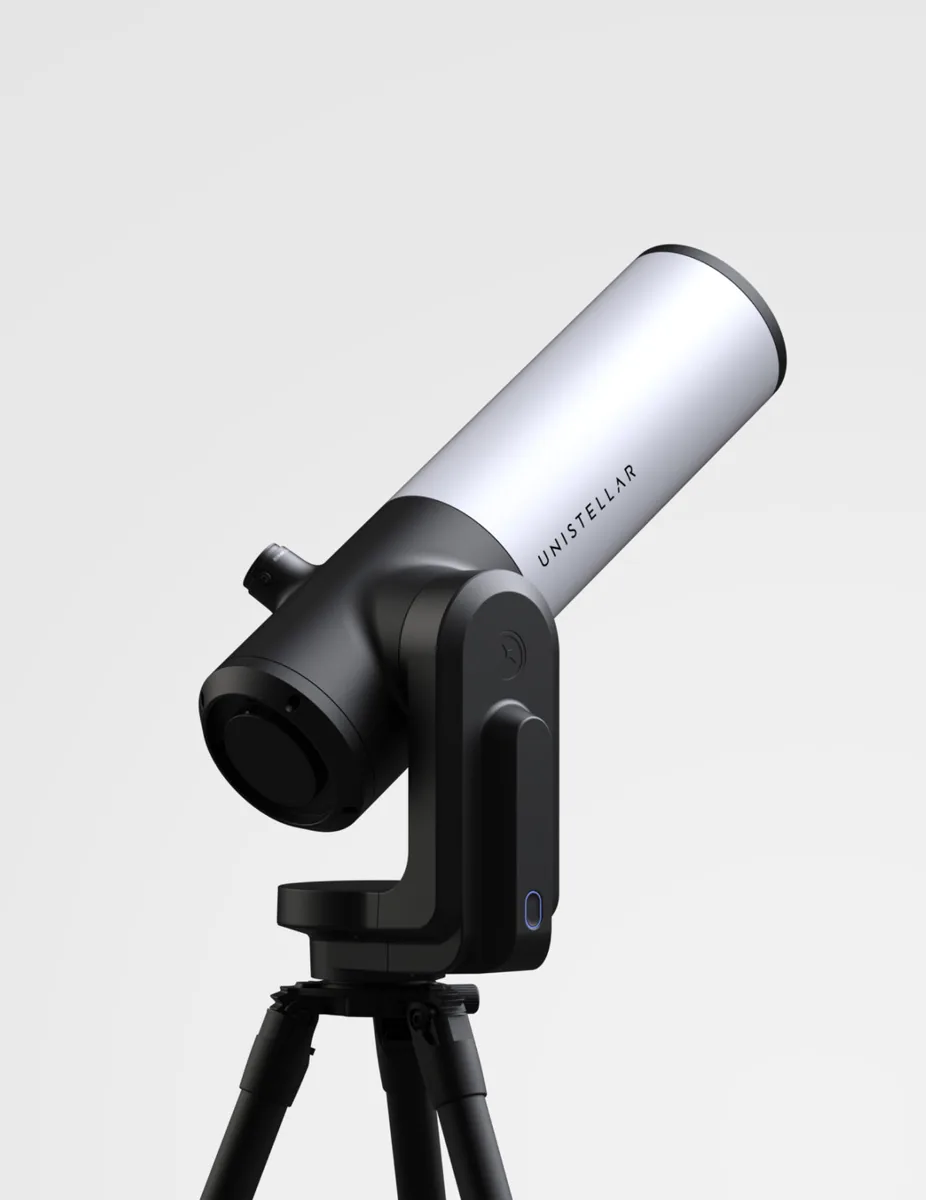
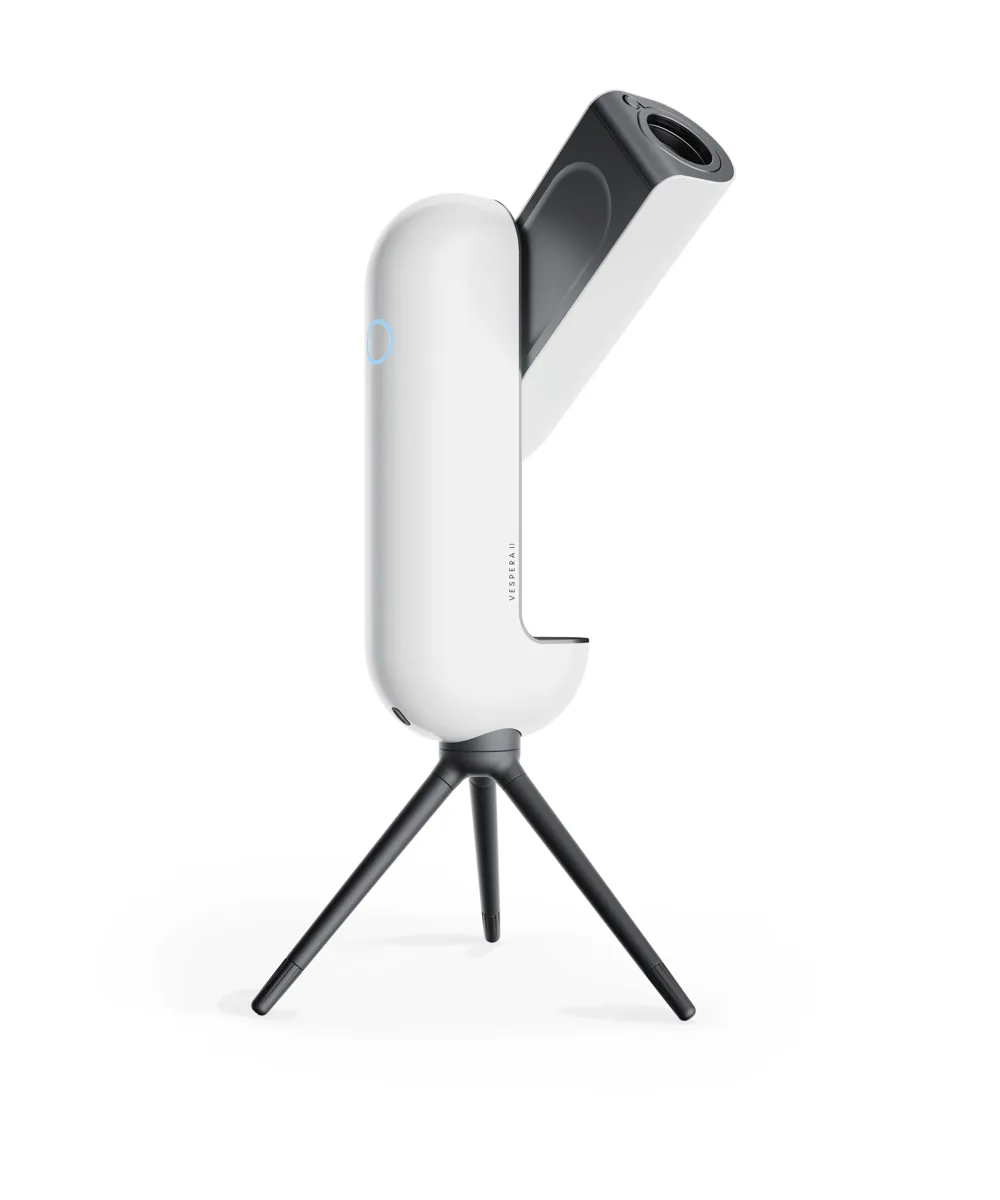
Go above $2,000 (Unistellar, Vaonis, Celestron) when you already know what you want more of: aperture for small galaxies and planets, a 5-year warranty, a tripod and dew heater in the box, or a 6-inch home observatory like the Celestron Origin Mark II. The 14 models below are ranked with the same nine criteria (weights on the methodology page), at the US prices we read on November 9, 2026.
A smart telescope is a telescope, a camera, a motorized mount and a small computer in one box. You place it outside, open an app, tap a target and watch the image build up on your phone as frames are stacked. Nobody here pretends that replaces a big Dobsonian under dark skies; it replaces the hours of setup that keep most beginners indoors.